Pro-LockBifold Door Repair Specialists

Pro-Lock · How it works

How Pro-Lock assesses a bifold doorset

We know you want your bifold door working well again as soon as possible. Our experienced engineer assesses the complete doorset, so the repair recommendation is based on what is affecting its movement and operation.

The assessment follows nine connected stages, including measurements, operating tests, glazing and component checks. Taking these steps gives us the information needed to prepare a clear, relevant quotation for the work required.

The engineer brings the findings together and checks them against relevant manufacturer information. This helps identify the repair route that fits the doorset, whether it involves an adjustment, a compatible part, or work to correct alignment, frame geometry or glazing support.

Pro-Lock checks the complete doorset and aims to return it to operation as intended by the manufacturer. Understanding how the panels, running gear, glazing, seals, locks and frame work together helps reduce unnecessary strain on mechanical components, support dependable operation and reduce repeat repairs over time.

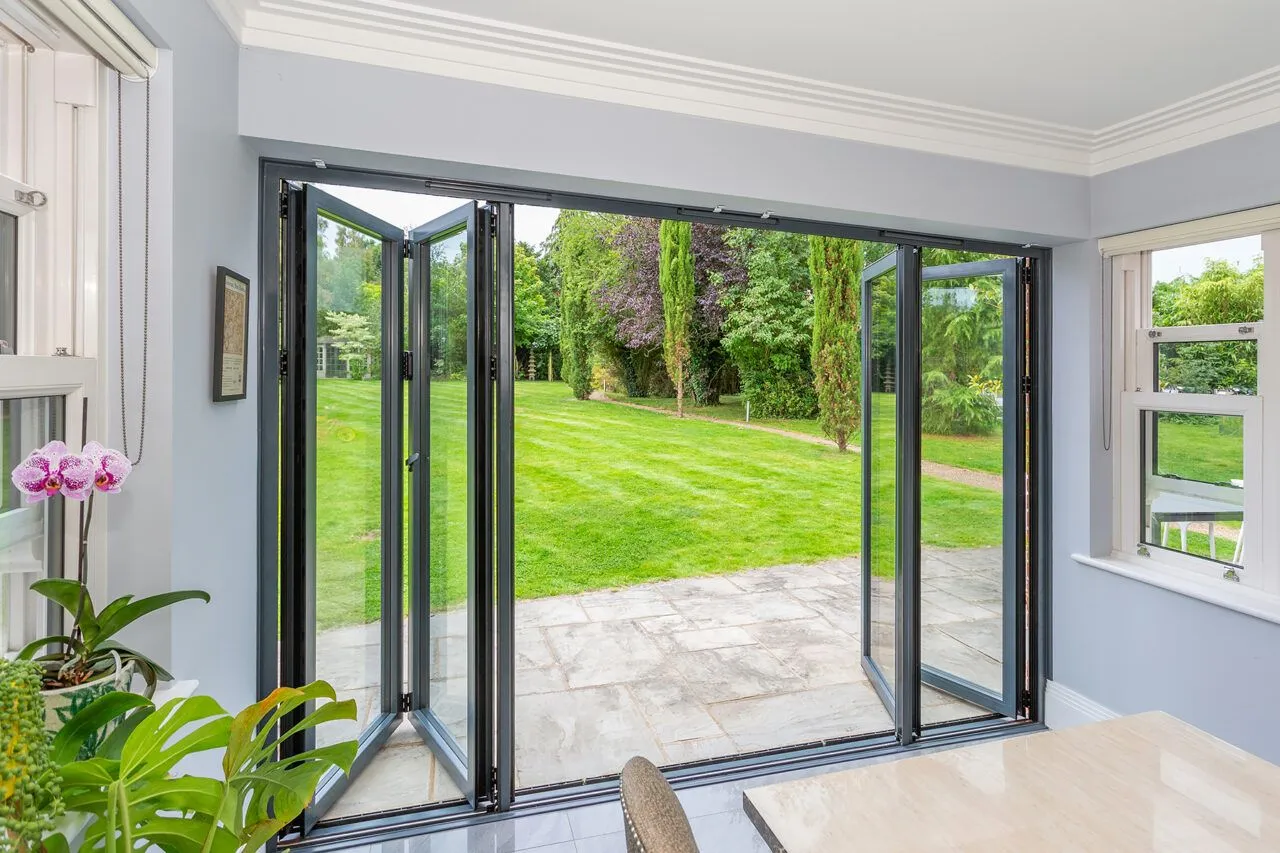
We specialise in repairing, servicing and maintaining existing bifold doors. Our advice focuses on the condition of your doorset, the available repair options and the manufacturer’s requirements.

The nine stages of a Pro-Lock assessment

The stages below build a complete picture of your doorset. Measurements, operating tests, glazing checks and component verification help your engineer connect the findings, recommend the right repair and prepare a relevant quotation.

1. Background and history

We start by taking a full account of the doorset: when it was fitted, what has changed since, what the door does now that it did not do before, and where in its operation the problem shows. The doorset’s history gives the engineer useful context for interpreting the symptoms and planning the assessment.

We ask about previous adjustments, repairs, replacement components, changes in the way the door is used and any change in weather performance or security. This timeline helps the engineer compare the history with the physical findings.

Why this matters: the engineer can relate the current fault to the doorset’s history and make a more informed repair recommendation.
2. Extensive measurement for distortion

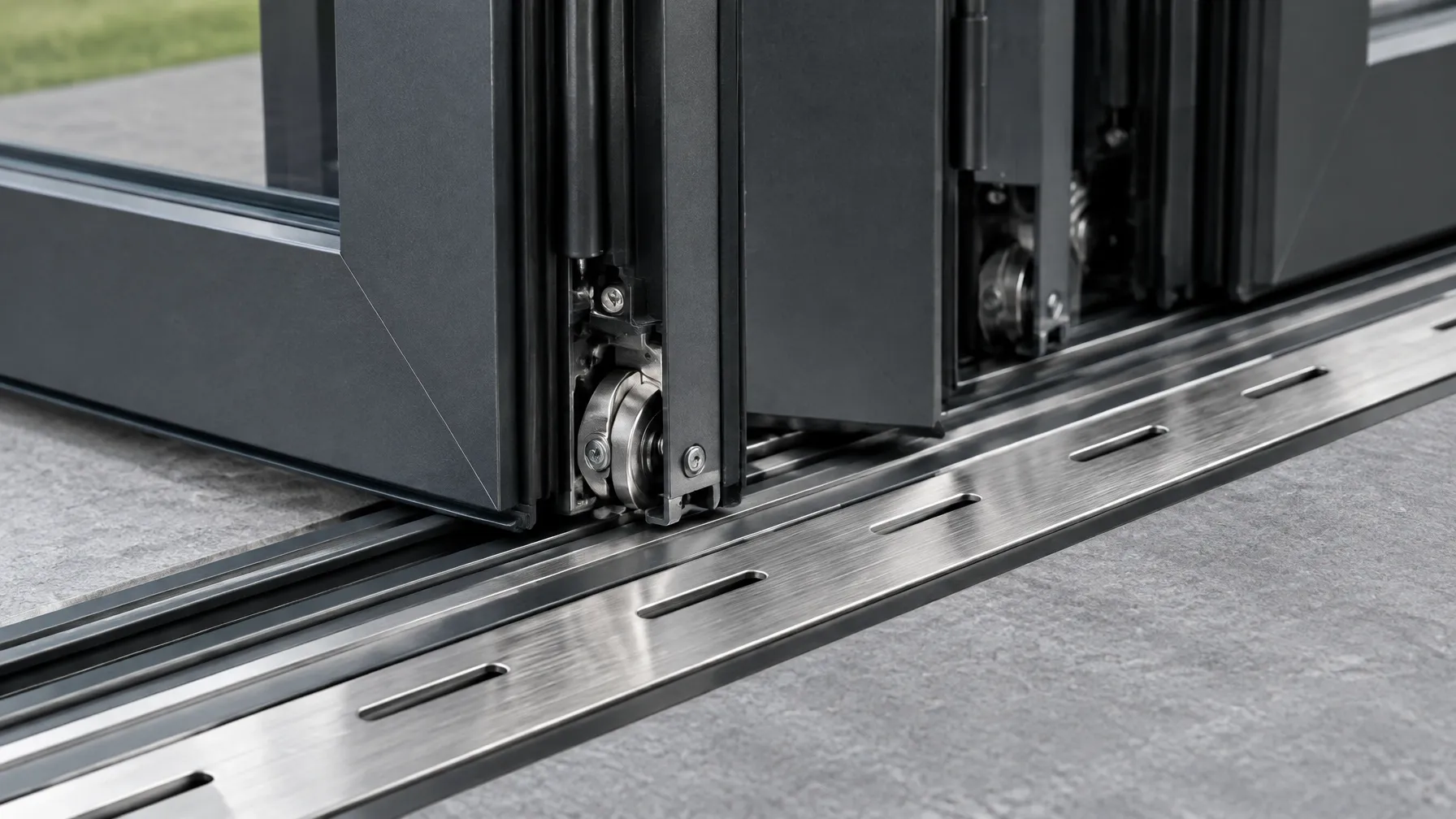
We take extensive measurements across the frame and panels to establish whether the doorset is square and true, or whether it has moved. Distortion can be difficult to see, so measurements help establish the frame and panel condition accurately.

Measurements are taken at relevant points across the doorset so that movement can be distinguished from a local hardware fault. This establishes how the panels, frame and running arrangement relate, helping identify the repair or adjustment that best fits the condition.

Why this matters: measurements help match the recommended work to the frame and panel condition.

3. Measuring for square and twist

The engineer checks frame square and twist because these measurements affect how panels sit, meet, seal and lock. Understanding the frame geometry helps establish which adjustments can support stable panel movement.

Square describes whether the frame and panels hold the intended geometry; twist describes a change through the depth or height of the frame that can affect how the panels meet, seal and lock. These checks are important where a doorset appears close to correct in one position but catches or resists elsewhere in its travel.

Why this matters: understanding frame geometry helps identify adjustments that can support stable panel movement and alignment.

4. Operation under load

We test the doorset through opening, closing, folding and locking, observing how it moves under load and how the panels meet throughout the operating cycle.

The engineer observes the force, movement and contact points through the operating cycle. A panel can look aligned while stationary but move, bind or load the hinges, rollers, guides or locking points when the weight of the panels is being carried during operation.

Why this matters: the assessment considers the door’s movement during everyday operation, helping identify the conditions behind the fault.

5. Drainage paths

We check drainage routes and how water moves through the threshold, helping protect the frame, seals and hardware from trapped or misdirected water.

The assessment follows where water should enter, travel and exit, and checks the threshold, seals and surrounding hardware together. This helps identify the repair that will restore the intended drainage path.

Why this matters: checking drainage alongside seals and adjacent components helps the repair recommendation address the route water is taking.

6. Glazing, gaskets and packers

Glazing, gaskets and manufacturer-specific glazing packers are inspected to understand how they support the panel and its alignment. Correct toe and heel glazing helps keep the panel square and level, supporting smooth movement and reducing strain on the hardware.

The engineer checks how the glass, gaskets and packers are supporting the panel and how that condition relates to alignment, contact pressure and operation. These checks are especially useful when a panel has dropped, a lock has become difficult or a door has started to drag, because glazing support can affect panel position and operation.

Why this matters: checking glazing support alongside the hardware helps establish how panel position and operation are connected.

7. Component verification and part numbers

Where parts are involved, we verify the fitted component and part numbers against manufacturer information, then check the compatible repair options and availability.

The assessment identifies the hardware in context, including the relationship between the component, the profile, the configuration and the rest of the doorset. For older, unbranded or mixed-component systems, this step helps confirm the fitted hardware and identify a compatible repair route.

Why this matters: checking component compatibility helps ensure any part quoted is suitable for the doorset and its working load.

8. Cross-check against manufacturer recommended tolerances

Every measurement and observation is then cross-checked against the manufacturer's recommended tolerances. This helps establish whether the doorset is within tolerance and whether adjustment, compatible parts or a more extensive repair route is appropriate.

The cross-check brings the separate findings together. The combined findings guide the repair recommendation, including any component replacement or more extensive work that may be appropriate.

Why this matters: comparing the findings with the manufacturer’s tolerances supports a recommendation grounded in the doorset’s design.

9. Accurate quotation

Once the measurements and observations have been checked against the manufacturer’s guidance, we prepare an itemised quotation based on the doorset’s assessed condition.

The quotation sets out the recommended repair work and the relevant components or labour required, subject to suitable parts being available. The written report explains the recommended work and any limits on the available repair options.

Why this matters: your written recommendation explains the proposed work and gives you time to review it before arranging a repair.

How a complete assessment supports long-term performance

Bifold doors are a connected system. Panel position affects the running gear; the running gear affects how the panels meet; glazing support affects panel geometry; and geometry influences how the locks, seals and drainage perform. By checking these relationships together, the engineer can identify a repair route that fits the complete doorset.

Your assessment is carried out by an experienced engineer who talks you through the findings on site. Afterwards, the written report and quotation set out the recommended work and the reasoning behind it.

Pro-Lock specialises in repair, servicing and maintenance of existing bifold doors. Our recommendation is based on the measured condition of your doorset, the available repair route and the manufacturer’s requirements, supporting dependable operation over the long term.

What to expect from your assessment

The visit gives an experienced engineer time to assess the complete doorset, discuss the findings with you on site and prepare a clear written recommendation.

A complete inspection

The engineer checks the panels, hinges, rollers, tracks, seals, locks and frame, including how these parts work together during operation.

Findings and quotation afterwards

Repair work is arranged separately. You receive a written report and itemised quotation after the assessment, with time to review the findings and decide how to proceed.

A clear £79 assessment fee

The £79 assessment fee is credited against any repair, or refunded if we cannot quote.

What you receive

The engineer talks you through the findings while on site, including the condition of the relevant parts of the doorset and the relationship between any symptoms and underlying causes. This gives you an opportunity to understand what has been found before you receive the written follow-up.

The findings are followed by a comprehensive report and itemised quotation by email, with repairs arranged separately. No repair work is carried out during the assessment.

The report and quotation are intended to make the recommendation clear: what has been observed, what repair route is proposed, what parts or work are involved where applicable, and what limitations apply if a suitable repair route cannot be confirmed.

All work carried out is backed by our market-leading 12 month warranty, covering our workmanship and any parts supplied and fitted as part of the repair where applicable.

You do not need to identify your doorset first.

You do not need to identify your doorset before getting in touch. Many bifold doors are unbranded or contain a combination of components from different manufacturers. Identifying the system, cross-checking component and part availability, and sourcing suitable parts through our established European network of suppliers is our job. Pro-Lock regularly repairs bifold door systems that other repairers have classed as obsolete, where a suitable repair route can be identified.

Frequently asked questions about the assessment

What happens if no repair is needed?

The findings will explain the condition identified during the assessment and whether any repair work is recommended. The report explains what the engineer found and whether a repair is recommended, giving you a clear basis for deciding what to do next.

What happens if suitable parts are unavailable?

We verify components and part availability as part of the diagnostic process. Where a suitable repair route can be identified through our supplier network, the report and quotation will set out the recommended route.

Can you assess an older or obsolete bifold system?

Yes. You do not need to identify the system before contacting us. Older or unbranded doorsets, and doorsets containing components from more than one manufacturer, can still be assessed. We identify the system and components, then establish whether a suitable repair route and parts can be sourced.

What happens during the assessment visit?

An experienced engineer reviews the doorset history, takes measurements, tests operation, and checks drainage, glazing and components. The findings are discussed with you on site, then a written report and itemised quotation follow afterwards.

Can repair work be carried out during the assessment?

The assessment visit is for diagnosis and discussion. You receive the written report and itemised quotation afterwards, and any repair work is arranged separately so you can review the recommendation before deciding.

Where does Pro-Lock provide assessments?

Pro-Lock covers exactly 17 counties: Norfolk, Suffolk, Cambridgeshire, Bedfordshire, Essex, Hertfordshire, Surrey, Kent, East Sussex, West Sussex, Lincolnshire, Northamptonshire, Leicestershire, Oxfordshire, Berkshire, Hampshire, and Buckinghamshire. London and the Isle of Wight are explicitly excluded from coverage. If you are unsure whether your location is covered, contact the team before booking.

Useful pages

Bifold door services: /bifold-door-services

Bifold brands: /bifold-brands

Assessment fee FAQs: /faq#assessment-fee

Areas we cover: /area-we-cover

Contact Pro-Lock: /contact

Contact

To arrange an assessment, call 0330 311 0975 or email enquiries@bifold-door-repair.co.uk. WhatsApp is available through the link on the website contact page.

WhatsApp